


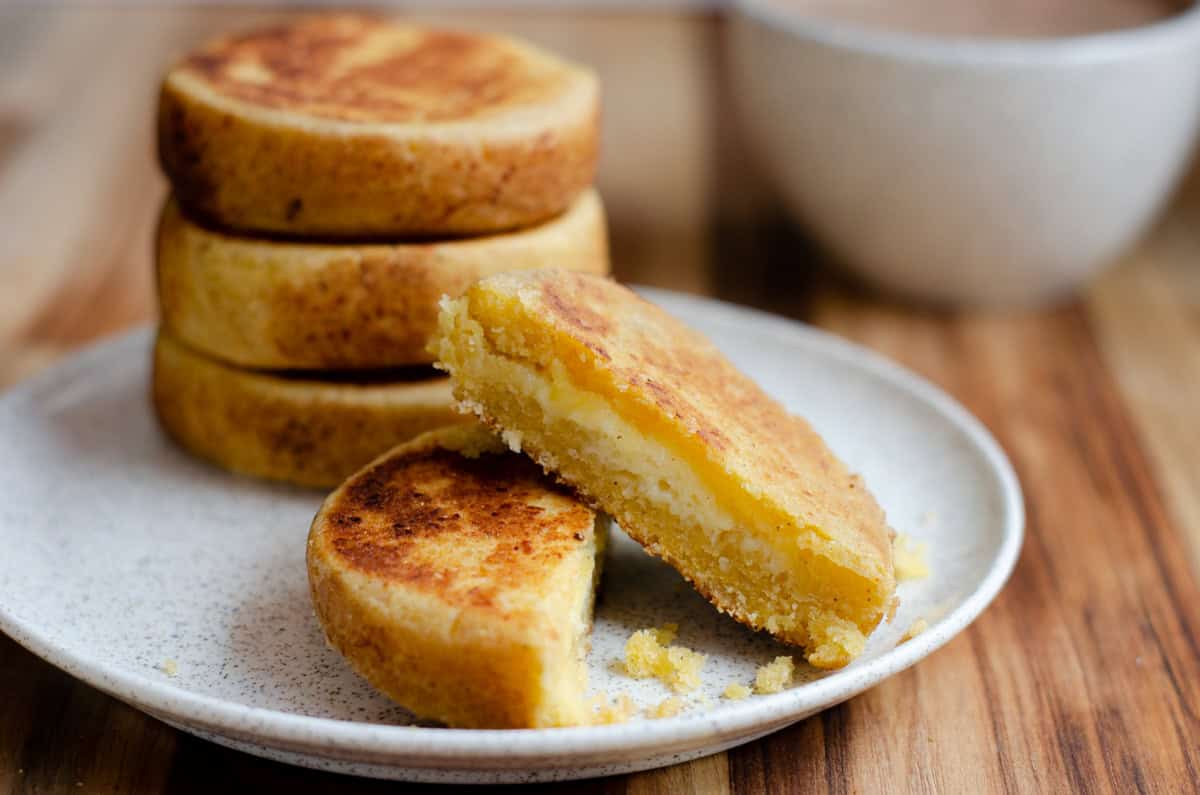
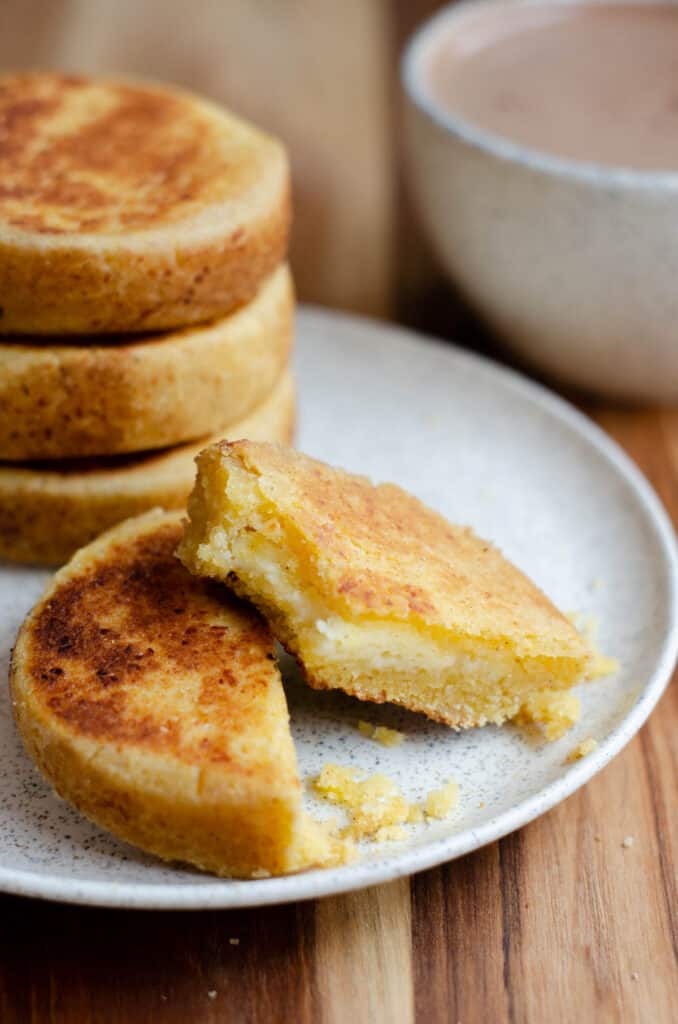
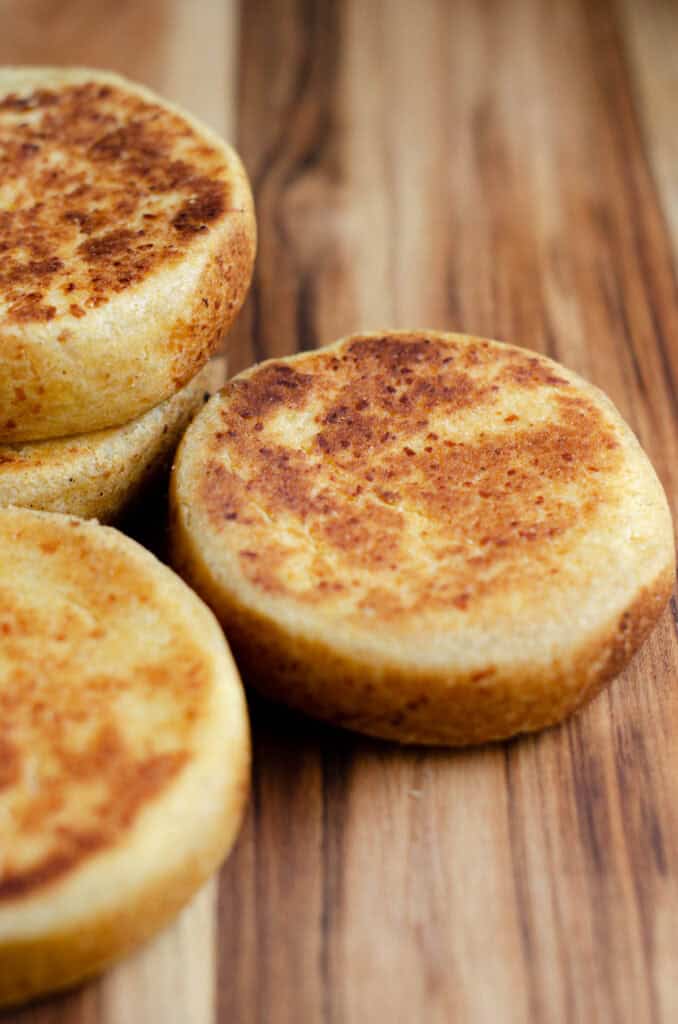
The Arepa Boyacense is cheesy, slightly sweet, crunchy on the outside, and soft on the inside. They are the traditional arepa from the Boyacá department in the Colombian Andes. With only 7 ingredients and 30 minutes of your time, you can make a delicious, foolproof, and homemade version of this Colombian classic—perfect for breakfast or as a snack.
Jump to RecipeHaz clic en Arepas Boyacenses para la receta en español.
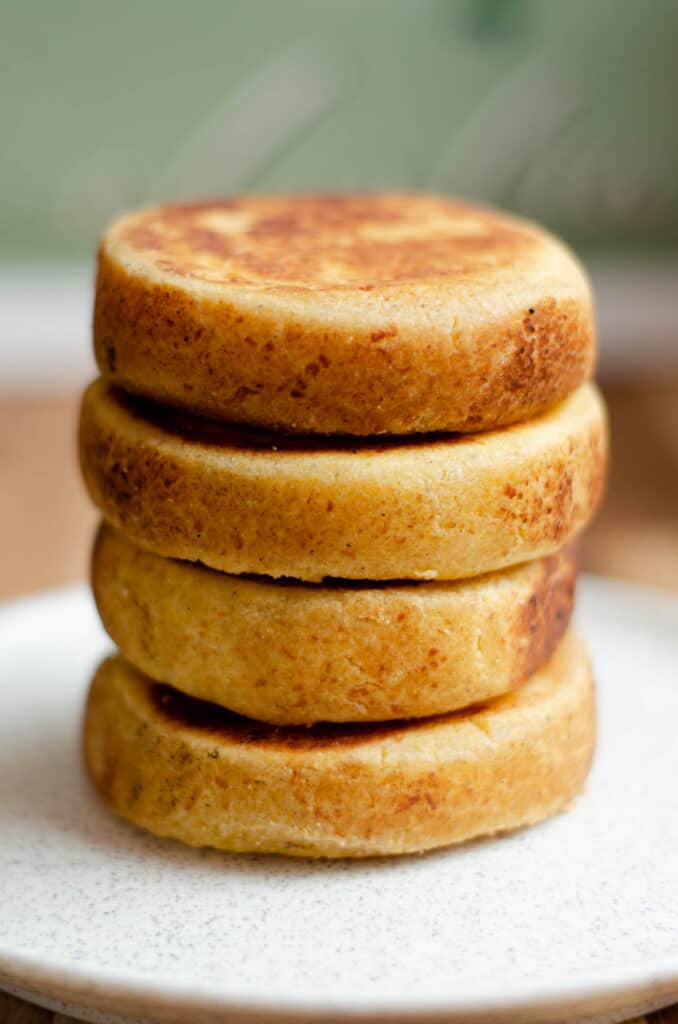
Arepa Boyacense (Corn Cakes from Boyacá Colombia)
There are dozens of different types of arepas in Colombia, but the Arepa Boyacense is truly unique. Originally from the Andean department of Boyacá, these arepas stand out from the regular version in four key ways:
- Flour blend: Unlike most arepas, they contain both pre-cooked yellow cornmeal and wheat flour.
- The filling: They are generously stuffed with cheese.
- Sweet & salty flavor: The dough is slightly sweet thanks to the addition of sugar or panela (unrefined cane sugar).
- The technique: They are not just cooked on both sides, but also on the edges to ensure a perfect crust and shape.
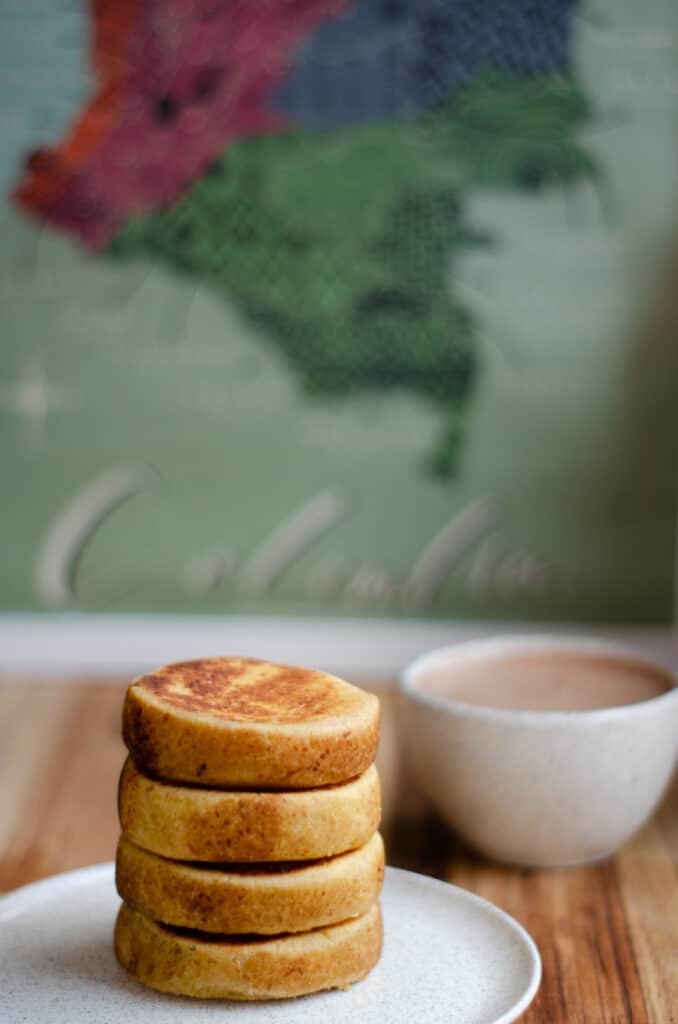
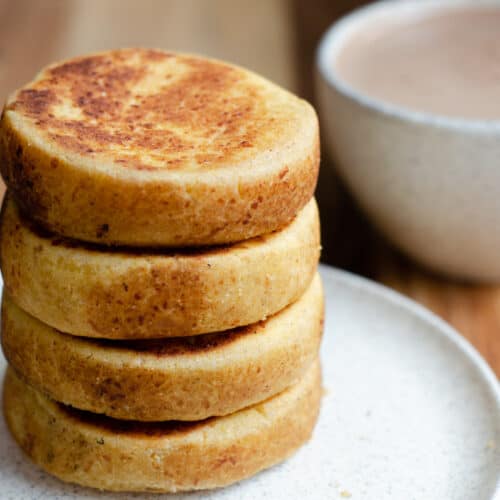
Traditionally, they are cooked over a woodfire, giving a signature smoky flavor to these delicious corn cakes. You can eat these arepas for breakfast, as a snack with hot chocolate, or as a side dish during lunch or dinner.
Ingredients
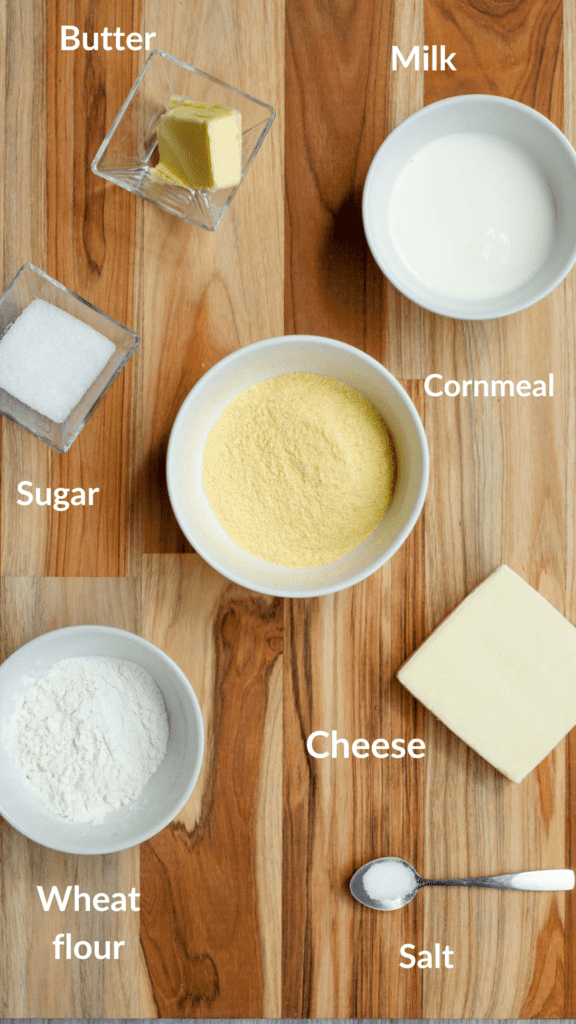
Cornmeal For these arepas, you must use pre-cooked yellow cornmeal (look for harina de maíz amarillo precocida, for example, from the brand P.A.N).
Cheese Queso campesino, like cuajada, is a firm, white, fresh cheese widely available in Colombia. If you can’t find it, you can easily replace it with queso fresco or shredded mozzarella. Keep in mind that mozzarella is saltier and has a higher fat content than the traditional queso campesino.
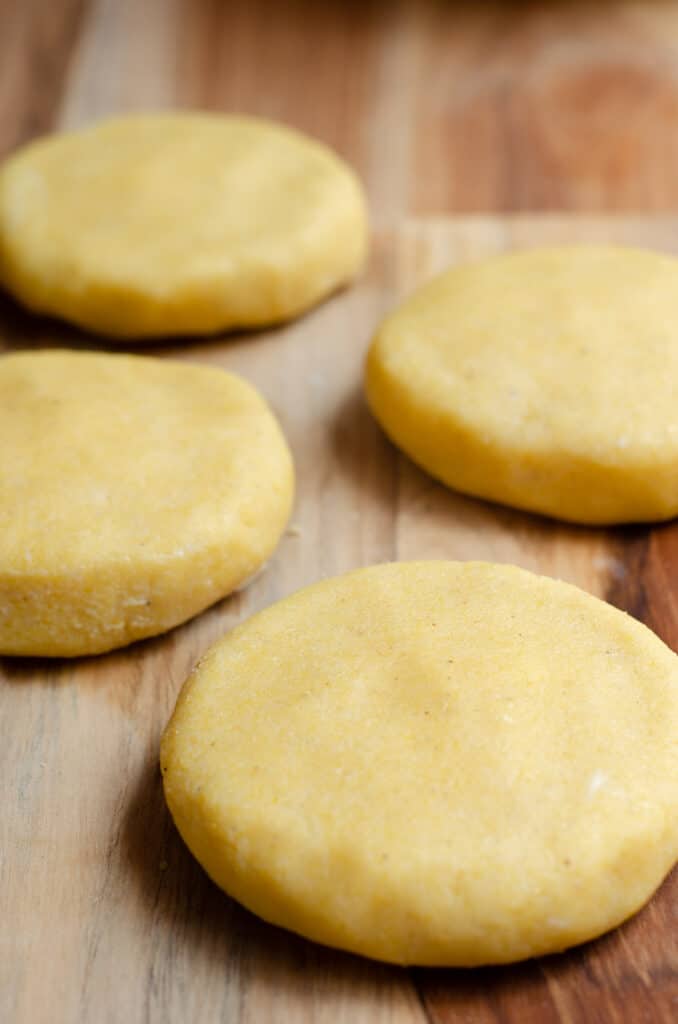
Instructions to make an authentic Arepa Boyacense
To make the dough
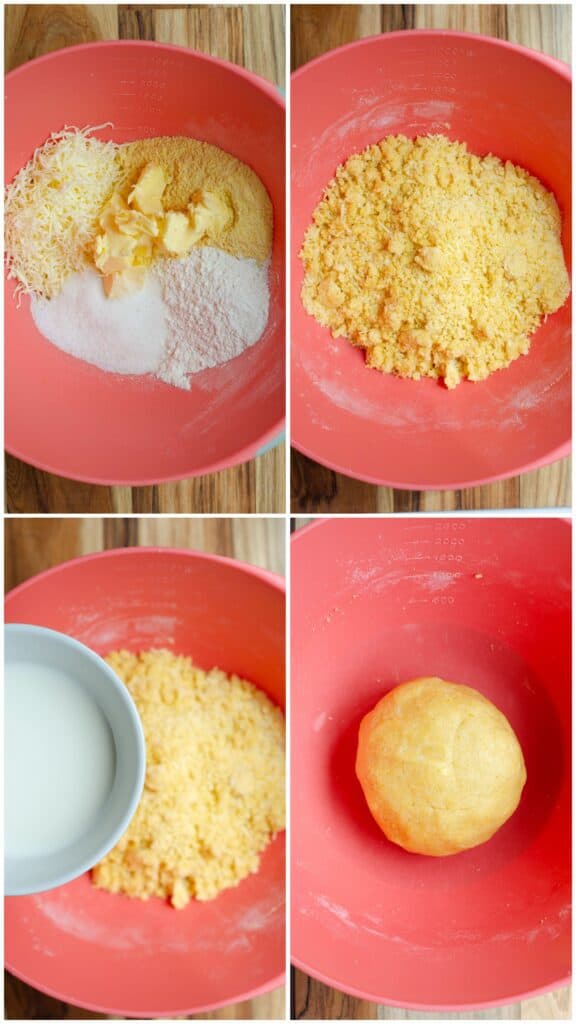
1.Add the cornmeal, all-purpose flour, sugar, grated cheese, butter, and salt to a mixing bowl.
2. Mix with your hands until the butter is fully incorporated and you have a crumbly dough.
3. Add milk one tablespoon at a time while kneading.
4. Knead for about 5 minutes until the cheese, butter, and milk are completely incorporated. You should have a smooth, soft dough that holds its shape when formed into a ball.
To shape and bake arepas
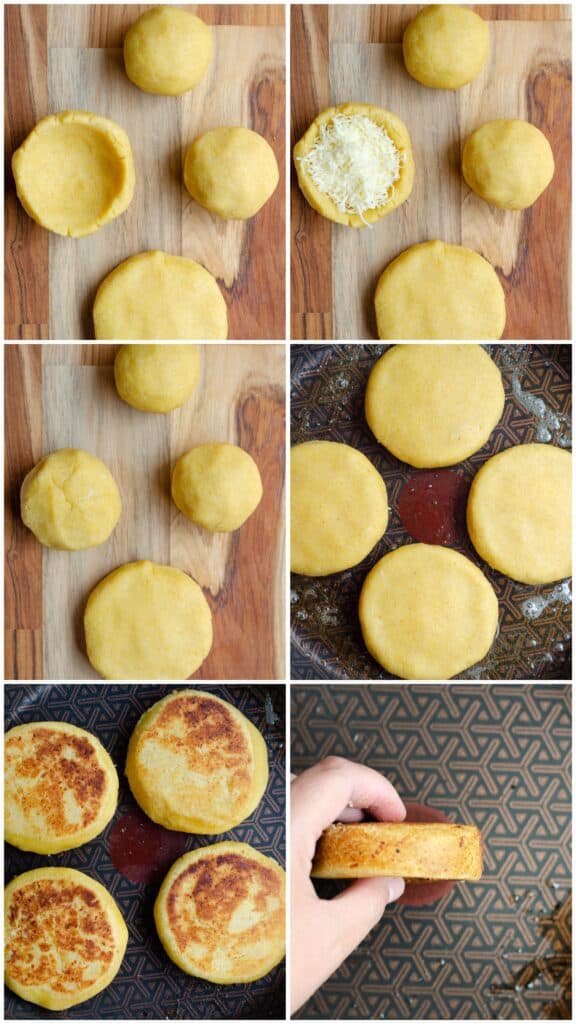
1.Divide the dough into 4 equal balls. Place a ball in the palm of your hand and use your thumb to shape it into a cup.
2. Add the grated cheese to the center
3. Fold the dough around the cheese and roll it back into a ball, making sure there are no openings or seams. Flatten the ball into a disc about 1.5–2 cm thick. Repeat until you have four arepas.
4. Add butter to a frying pan (or skillet) and cook the arepas over medium-high heat for approximately 4–5 minutes until golden brown.
5. Flip and cook the other side for another 4–5 minutes.
6. Cook the edges by carefully rolling the arepa around in the hot pan. You can use two forks or your hands to keep them steady.
Frequently Asked Questions (FAQ)
If you don’t have access to Colombian queso campesino or cuajada, the best alternatives are queso fresco, shredded mozzarella, or a mix of both.
This blend is what makes the Boyacense style unique. While cornmeal provides the traditional flavor and crunch, the wheat flour adds elasticity and a “bread-like” softness to the crumb. This mix is the secret behind their distinct, pillowy texture.
Yes! You can assemble the arepas and store them in the fridge for up to 2 days (separate them with parchment paper). You can also freeze them uncooked. When you’re ready to eat, simply cook them directly from the freezer over medium-low heat until the cheese is melted and the outside is golden.
You might also like
Arepas Colombianas (Colombian Corn Cakes)
Arepas de Choclo (Colombian Sweet Corn Cakes with Cheese)
Arepas de Queso Colombianas (Cheese-Stuffed Corn Cakes)
Arepas Rellenas (Arepas Stuffed with Hogao, Avocado and Cheese)
Do you love this recipe? Give it a 5-star rating below and leave me a comment! Or tag @vecinavegetariana on Instagram. You can also pin this recipe now and make it later!
Arepa Boyacense (Corn Cakes from Boyacá Colombia)
Ingredients
Dough
- 3/4 cup yellow pre-cooked cornmeal (harina de maíz amarillo precocida) (102 grams)
- 3 big tablespoons of all-purpose wheat flour (45 grams)
- 3 tbsp sugar (40 grams)
- 1/3 cup grated queso campesino (40 grams; replace with queso fresco or shredded mozzarella cheese)
- 3 tbsp unsalted butter at room temperature, plus extra for cooking (50 grams)
- 1/4 tsp salt
- 1/2 cup milk (120 ml)
Filling
- grated queso campesino (approx. 70-100 grams; replace with queso fresco or shredded mozzarella cheese
Instructions
Prepare the dough
- Add the cornmeal, all-purpose flour, sugar, grated cheese, butter, and salt to a mixing bowl. Mix with your hands until the butter is fully incorporated and you have a crumbly dough
- Add the milk one tablespoon at a time and knead. Depending on the moisture level of your cheese, you may only need a couple of tablespoons rather than the full amount listed.Knead for about 5 minutes until the cheese, butter, and milk are completely incorporated. You should have a smooth, soft dough that holds its shape when formed into a ball.
Shape arepas
- Divide the dough into 4 balls. Take a ball in the palm of your hand and shape it into a cup using your thumb. Add the grated cheese to the center
- Place the dough around the cheese, shaping it back into a ball. Make sure there are no openings. Flatten the arepa into a disc about 1.5–2 cm thick. Repeat these steps until you have four arepas
Cook arepas
- Add a little bit of butter to the frying pan. Cook the arepas over medium-high heat for approx. 4–5 minutes until golden brown. Flip and cook the other side for another 4–5 minutes
- Cook the edges by rolling the arepas around in the hot pan (see the pictures above for the technique)
- Serve immediately, for breakfast, with a cup of hot chocolate, or as a side dish
I love how Arepas can be enjoyed casually at home or served in restaurants with creative fillings. They always feel warm and welcoming.